


 Send Inquiry
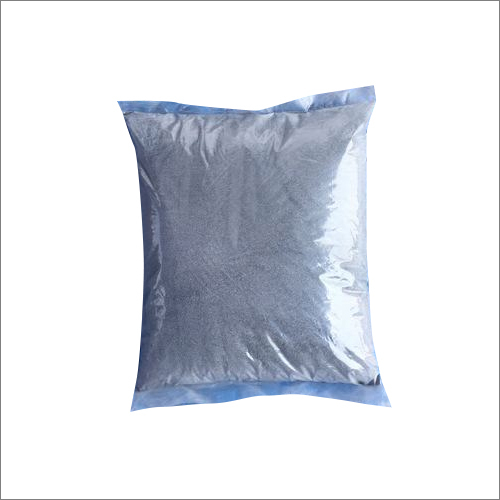
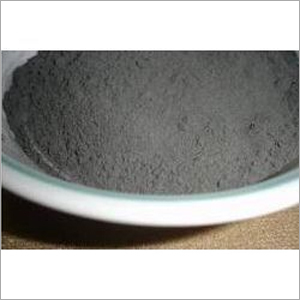
Rice Husk Ash
Price 5 INR/ Kilograms
MOQ : 1000 Kilograms
Rice Husk Ash Trade Information
- Minimum Order Quantity
- 1000 Kilograms
- Supply Ability
- 1000 Kilograms Per Day
- Delivery Time
- 1 Days
- Sample Available
- Yes
- Sample Policy
- Free samples are available
- Main Export Market(s)
- Australia, Central America, North America, South America, Western Europe, Middle East, Eastern Europe, Asia, Africa
- Main Domestic Market
- All India
About Rice Husk Ash
An environmentally friendly additive with uses on a small to big scale is rice husk ash. It has a waterproofing function. Additionally, it is added to concrete as an additive to make it impervious to chemical encroachment. In the building sector, rice husk ash is utilized in a wide range of products, such as ceramic glaze, concrete production, high-performance cement, soundproofing, tile flooring, and floors for factory output. It is also used to make roofing shingles and asphalt shingles.
Rice Husk Ash FAQ:
1. What is rice husk ash (RHA)?
Rice husk ash is the byproduct generated during the combustion of rice husk. It consists mainly of silica, with small amounts of other elements such as potassium, sodium, calcium, and magnesium.
2. How is rice husk ash produced?
RHA is produced by burning rice husks in controlled conditions. This combustion process results in the separation of the organic material from the silica-rich ash.
3. What are the applications of rice husk ash?
Construction: RHA is widely used as a supplementary cementitious material in concrete production. It improves the strength and durability of concrete.
Agriculture: It can be utilized as a soil amendment to improve soil fertility and structure.
Waste Management: RHA serves as a sustainable solution for the disposal of rice husk waste.
Industry: It finds applications in industries such as ceramics, refractories, and insulation materials.
4. How does rice husk ash benefit concrete?
RHA acts as a pozzolanic material, reacting with calcium hydroxide in cement to form additional cementitious compounds, thereby enhancing the strength and durability of concrete.
It reduces the heat of hydration and improves the workability of concrete.
RHA also helps in reducing the permeability of concrete, making it more resistant to chemical attack and corrosion.
5. Is rice husk ash environmentally friendly?
Yes, RHA is considered environmentally friendly because it utilizes a waste product (rice husk) that would otherwise be disposed of through burning or landfilling. Its use in various applications helps reduce waste and minimize environmental pollution.
6. Are there any limitations or precautions when using rice husk ash?
The quality and properties of RHA can vary depending on factors such as the source of rice husks and the combustion process. Thus, it's essential to ensure consistent quality when using RHA in applications such as concrete.
Proper handling and disposal procedures should be followed to minimize health and safety risks associated with fine particulate matter.
7. Where can I obtain rice husk ash?
Rice husk ash can be obtained from rice mills, where it is often available as a byproduct of rice husk combustion. It can also be purchased from suppliers specializing in supplementary cementitious materials.
8. Is rice husk ash cost-effective?
Yes, RHA is generally cost-effective due to its availability as a byproduct and its ability to enhance the properties of various materials such as concrete. Its use can lead to savings in material costs and improved performance of end products.
9. How can I store rice husk ash?
RHA should be stored in dry conditions to prevent moisture absorption, which can affect its properties. Proper packaging and sealing can help maintain the quality of RHA during storage.
10. Are there any ongoing research or developments related to rice husk ash?
Ongoing research focuses on optimizing the production process of RHA, exploring new applications, and improving its performance in existing applications such as concrete production. Researchers are also investigating the environmental impacts and sustainability aspects of RHA utilization.
Highly Stable Basic Refractory Powder
Rice Husk Ash, known for its irreversible dimensional stability, is utilized as a basic refractory in steel industries due to its ability to endure thermal stress. Available in powder form and grey-black in color, it provides a dependable solution for furnace lining and similar applications, ensuring minimal deformation under extreme heat.
Ideal for Steel Industry Applications
Manufactured and supplied across India, this unique rice husk ash is tailored to meet the rigorous demands of steel production environments. Its advanced thermal resistance protects structural components, reduces maintenance frequency, and contributes to operational efficiency in high-temperature processes.
FAQ's of Rice Husk Ash:
Q: How is rice husk ash used in the steel industry as a basic refractory material?
A: Rice husk ash is applied as a lining inside steel furnaces and ladles due to its ability to tolerate extreme temperatures and maintain structural integrity, thus protecting equipment and ensuring smooth operation.Q: What process is involved in manufacturing rice husk ash with irreversible dimensional stability?
A: The rice husk undergoes controlled burning and processing to produce ash with consistent chemical properties and irreversible dimensional stability, which prevents shrinkage under repeated heating cycles.Q: When should rice husk ash basic refractory be chosen for steel industry applications?
A: It is recommended for operations that demand materials capable of sustained exposure to high temperatures, such as steel melting, casting, and other refractory needs within steel plants.Q: Where can manufacturers and suppliers of rice husk ash basic refractory be found in India?
A: Reliable manufacturers and suppliers of this specialty rice husk ash can be located throughout industrial regions in India, offering tailored solutions for the steel industry's specific requirements.Q: What are the main benefits of using grey-black rice husk ash powder in steel production?
A: The key benefits include enhanced resistance to acidic and basic slag attacks, reduced downtime due to material longevity, and improved thermal efficiency, making it a preferred choice for furnace linings.Q: What is the color and shape of rice husk ash used as basic refractory, and does it affect its performance?
A: Rice husk ash for basic refractory use is grey-black in color and supplied as a fine powder; these characteristics contribute to uniform layering, chemical resilience, and optimal thermal conductivity in industrial applications.Technical Details 
Tell us about your requirement

Price:
Quantity
Select Unit
- 50
- 100
- 200
- 250
- 500
- 1000+
Additional detail
Mobile number
Email

More Products in Rice Husk Ash Category
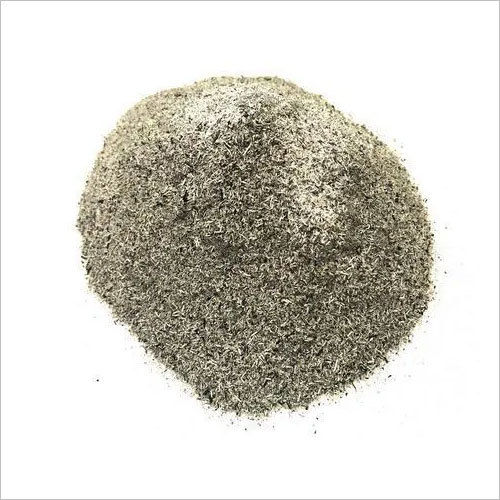
Rice Husk Ash Granules
Price 6 INR / Kilograms
Minimum Order Quantity : 1000 Kilograms
Application : Laboratory
Color : Grey White
Form : Powder
Purity(%) : High
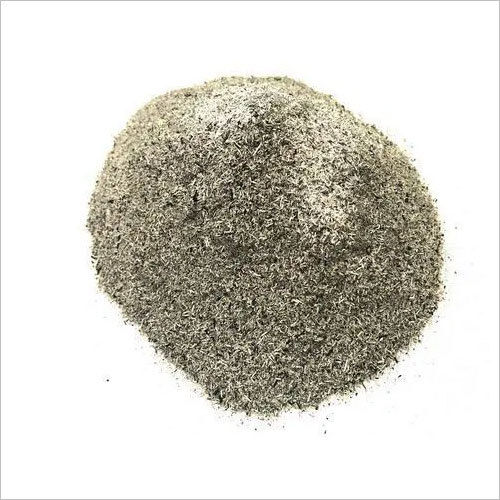
Global Rice Husk Ash
Price 3 INR / Kilograms
Minimum Order Quantity : 1000 Kilograms
Application : Industrial
Color : Grey
Form : Powder
Purity(%) : High
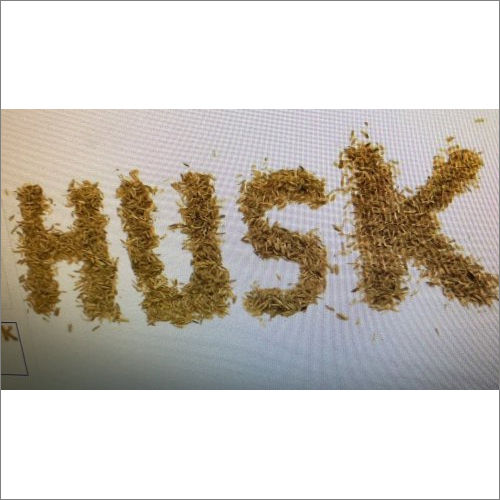
Dried Husks Rice Chaffs
Price 8 INR / Kilograms
Minimum Order Quantity : 10000 Kilograms
Application : AGRO & BURN
Color : Brown
Form : Powder
Purity(%) : High
Pulverized Rice Husk Ash
Price 8 INR / Kilograms
Minimum Order Quantity : 1000 Kilograms
Application : Concreate Oil Well Drilling
Color : Grey
Form : Powder
Purity(%) : High

Contact Details

- Infinity Tower, Corporate Road, Prahlad Nagar, Ahmedabad - 380015, Gujarat, India
- Phone : 08045811552
Guru Corporation
GST : 24AFJPP8347K1ZW
GST : 24AFJPP8347K1ZW

- Mr Kumar Patel (Manager)
- Mobile : 08045811552
- Send Inquiry
 Send Inquiry
|



GURU CORPORATION
All Rights Reserved.(Terms of Use)
Developed and Managed by Infocom Network Private Limited.
Developed and Managed by Infocom Network Private Limited.


 English
 Spanish
 French
 German
 Italian
 Chinese (Simplified)
 Japanese
 Korean
 Arabic
 Portuguese